
The Points Gap: Why Your Balance Won't Get Your Family to Australia → Even When You Think It Does
Many people only start thinking seriously about frequent flyer points when a specific need arises.
A family visit.
A milestone trip.
Parents flying long haul.
That is usually when the gap becomes visible.
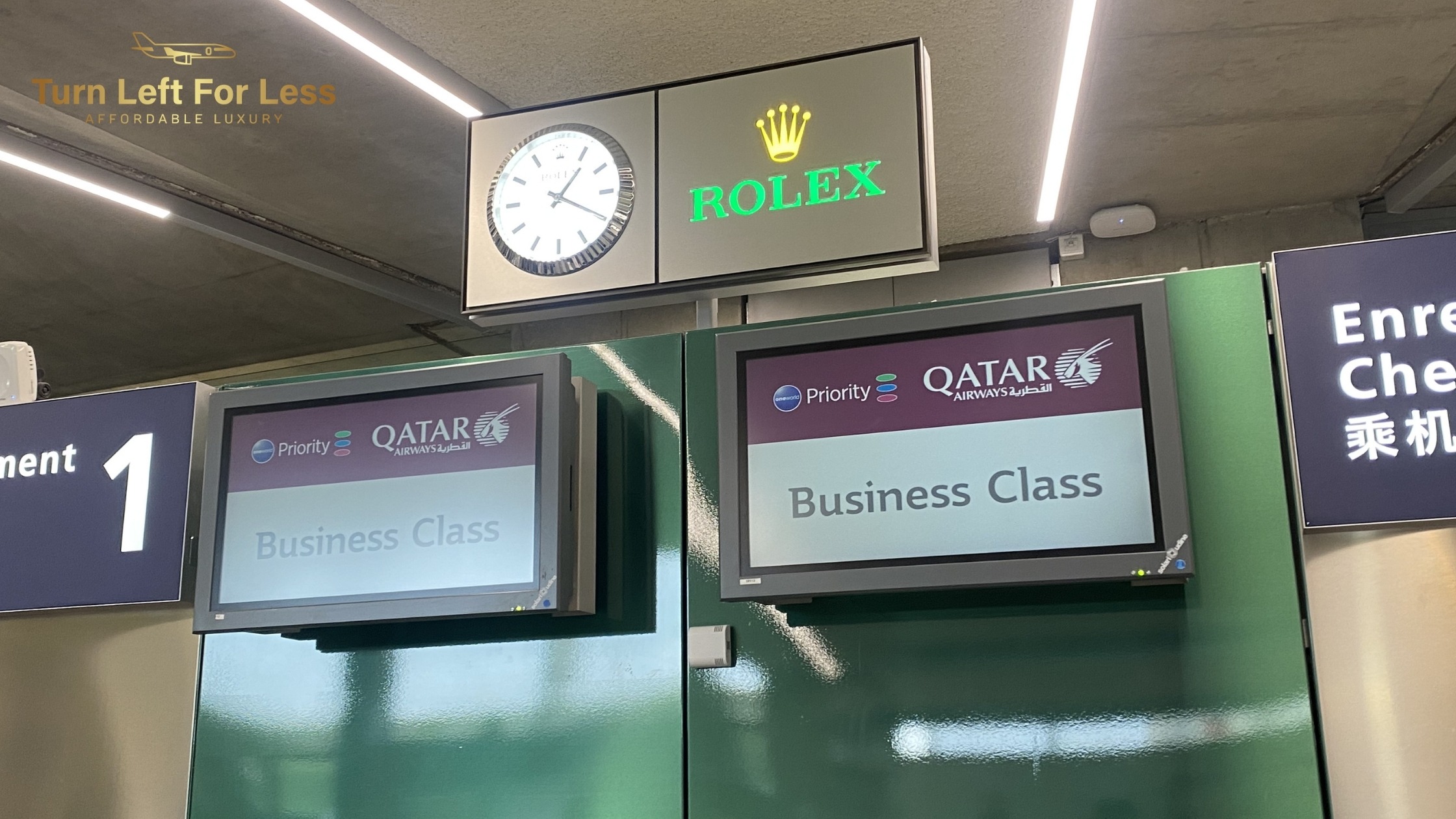
Stephen’s situation is typical. He wants to bring his parents from Malaysia to Melbourne in business class. He already has points → 79,000 Velocity and 29,000 Qantas. On paper, that feels substantial.
In practice, it is not enough.
The issue is not that he has done something wrong. It is that most people misunderstand the scale required for premium redemptions.
The Scale Problem No One Explains Clearly
Short-haul redemptions create a false sense of progress. A few upgrades here and there. A domestic business seat. A discounted fare.
Long-haul premium cabins operate in a different category.
For international business class, particularly for two passengers, the required balance is materially higher than most casual collectors anticipate. The difference between having 100,000 points and having 400,000 to 600,000 points is not incremental — it is transformational.
Without reaching that threshold, options remain limited.
This is where many people stall. They accumulate slowly, redeem sporadically, and never quite reach the balance required for meaningful leverage.
Earning Is One Discipline. Finding Seats Is Another.
Even when the balance exists, another bottleneck appears: availability.
Premium reward seats on high-demand routes are not always visible to casual searchers. Inventory is released strategically, often in limited quantities and at specific intervals.
Knowing how to identify those windows is a different skill from earning points in the first place.
Many assume that if seats are not immediately visible, they do not exist. In reality, timing, routing flexibility, and understanding airline partnerships materially affect what is accessible.
Points without seat strategy create frustration.
Seat strategy without sufficient balance creates limitations.
The two must operate together.
The Third Lever: Liquidity in Points
There is also a layer many overlook entirely: points are not only earned.
In certain circumstances, they can be acquired in ways that change the speed of accumulation. This does not replace earning, but it can alter timelines significantly when used correctly.
For someone attempting to move from 100,000 points to a level sufficient for long-haul premium travel, time becomes a factor. Waiting years to accumulate organically is rarely aligned with a specific travel goal.
Acceleration, when structured properly, changes the planning horizon.
But acceleration without clarity often leads to poor value decisions.
Again, structure matters more than volume.
The Misconception About Value
Stephen asked a practical question: what are points actually worth?
This is where misunderstanding frequently distorts decision-making.
The value of points is not fixed. It depends on how they are deployed. Used casually, they may offset modest expenses. Used strategically, they can unlock disproportionately higher cabin value. We teach business owners how to get 4c/p (4 cents per point) regularly. A below average redemption can be using 100,000 points for a $2,000 ticket, therefore giving you a 2c/p redemption rate. Anything over 3.5c/p is usually very good.
And the gap between retail business class pricing and structured redemption cost is where leverage sits.
Without understanding that gap, it is easy to underestimate the asset you are building.
The Planning Error Most People Make
The most common mistake in points strategy is beginning too late.
People decide they want to travel in December and start thinking about points in October. They discover that the balance is insufficient and that premium inventory has already tightened.
Points reward foresight.
Starting early does not simply increase balance. It increases choice. And choice is what preserves comfort, routing preference, and timing.
When the objective is clear — such as bringing parents long haul in business class → the earning target must be defined first. The system is then built backwards from that outcome.
Without that clarity, accumulation remains reactive.
The Mental Model
Frequent flyer points are not a bonus. They are a currency.
Like any currency, their effectiveness depends on scale, liquidity, and timing.
Small balances create optional upgrades.
Structured balances create meaningful outcomes.
Earning, finding availability, and understanding deployment value are separate but interdependent disciplines. When aligned, they transform what feels unaffordable into something strategically planned.
Most people do not lack access to points.
They lack a coordinated framework.
If this perspective reframes how you think about funding long-haul premium travel for family, we explore these structural principles in greater depth across our platforms. You can follow Turn Left For Less on YouTube, TikTok, Facebook, Instagram, and LinkedIn for ongoing insights into premium travel strategy, or apply to speak to us here.


