
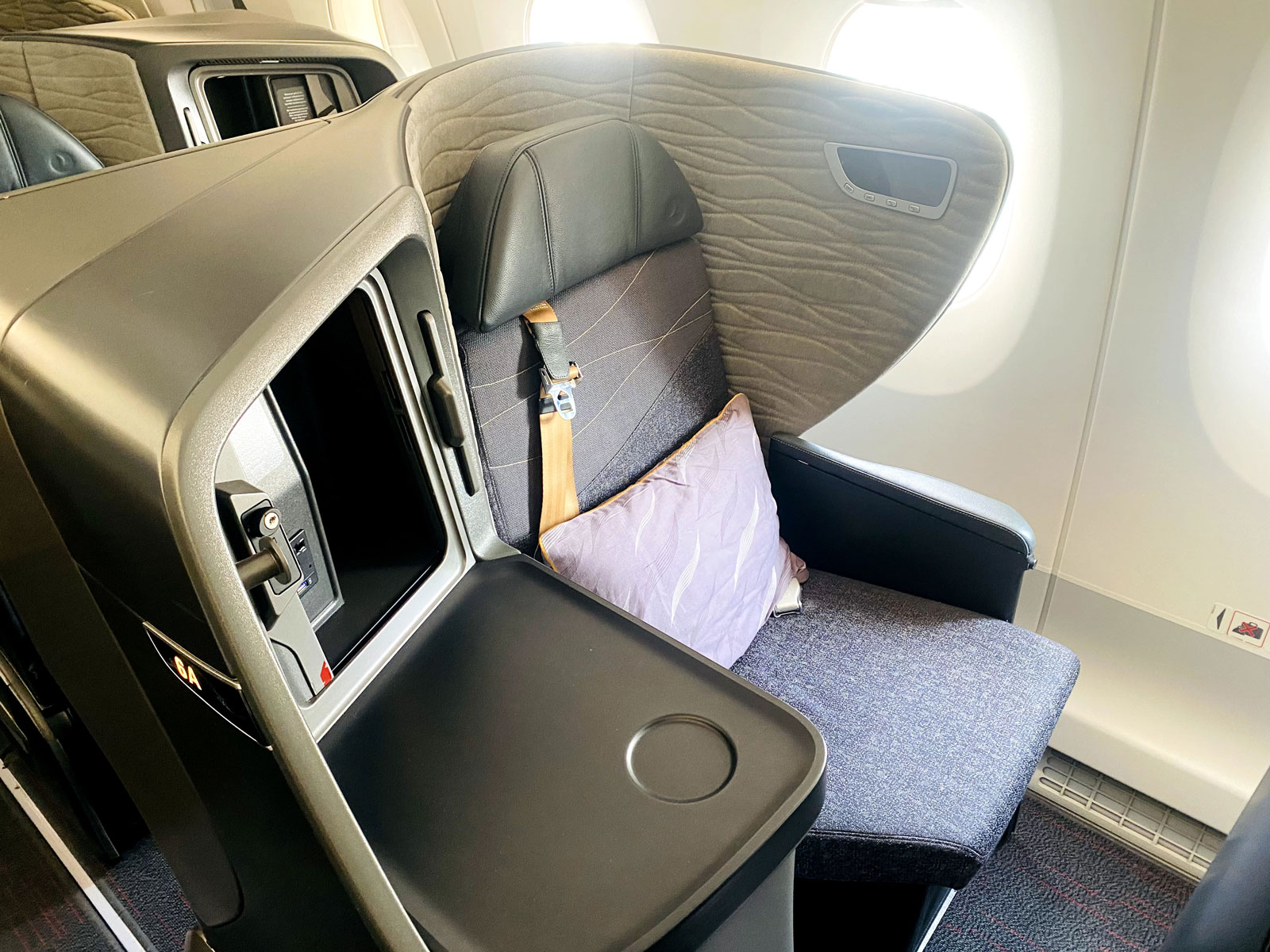
Why Certain Airlines Don’t Show Their Best Seats Until the Last Minute
One of the most common frustrations business owners encounter when trying to redeem frequent flyer points is simple: the seats they want do not appear to exist.
Search results show limited availability. Business Class cabins look empty on paid fares but unavailable using points. Dates appear blocked, routes feel restricted, and the assumption quickly forms that premium reward seats are either gone or extremely rare.
In many cases, neither is true.
What most travellers are seeing is not a lack of seats, but a system operating exactly as airlines designed it to.
Airlines Optimise Revenue Before Rewards
Airlines are not loyalty businesses. They are revenue optimisation businesses that use loyalty programs strategically.
Premium cabins represent some of the highest-margin inventory an airline sells. A single Business Class seat on a long-haul route can generate several times the revenue of an economy ticket. Because of this, airlines are cautious about releasing those seats too early for points redemption.
When flight schedules first open, airlines still expect to sell a meaningful portion of premium seats to paying passengers. Corporate travel demand, last-minute business bookings, and seasonal traffic all influence how many seats remain available closer to departure.
From the airline’s perspective, releasing too many reward seats early carries risk. Once a seat is redeemed using points, it cannot later be sold for cash.
So instead, airlines hold inventory back.
This is where misunderstanding begins for many points collectors.
Availability Is Often Delayed, Not Absent
Business owners searching months in advance often interpret limited availability as permanent scarcity. If seats are not visible immediately, the logical conclusion is that demand has already exceeded supply.
In reality, certain airlines frequently release additional premium inventory later in the booking cycle once commercial demand becomes clearer. Think about it yourself, if you managed an Airline, what would you do in this case?
As departure approaches, several things happen simultaneously. Forecast models improve. Unsold premium seats become more visible internally. Revenue teams reassess whether those seats are likely to sell at full price.
→When confidence in paid demand decreases, reward inventory begins to appear.
To the casual traveller, it looks sudden. Seats that were unavailable yesterday become bookable today.
But this behaviour follows predictable operational logic rather than randomness.
Why This Matters for Business Owners
Business owners often travel with specific objectives. Family holidays, international meetings, or milestone trips typically involve multiple passengers and long-haul routes where comfort matters.
When searches begin too early, sometimes travellers frequently conclude that premium travel using points is unrealistic. Plans are downgraded, expectations lowered, and this is the most likely scenario →points are redeemed inefficiently simply to secure certainty.
The issue is rarely insufficient points. More often, it is interacting with airline inventory before the system has reached the stage where meaningful availability appears.
→Understanding this changes planning entirely.
Instead of assuming availability reflects final reality, experienced points users recognise that visibility evolves over time.
The Role of Airline Behaviour Patterns
Not all airlines behave identically, but patterns exist.
Some carriers release seats close to departure to avoid empty premium cabins. Others distribute inventory gradually across partner airlines. Certain routes consistently open additional availability during predictable windows tied to demand cycles.
These patterns are rarely explained publicly, yet they significantly influence redemption success.
Business owners who understand airline behaviour or have a Points coach in their corner stop relying solely on single search moments. They monitor availability, adjust routing flexibility, and position themselves where inventory expansion is most likely.
This approach transforms what initially looks impossible into something achievable.
The Psychological Trap of Early Searches
There is also a psychological element at play.
Early searches create anchoring. When travellers repeatedly see no availability, they begin to believe premium seats simply do not exist for their dates or destinations. Confidence drops, and strategy narrows.
Ironically, the best availability often appears after many travellers have already given up searching.
Those who understand timing remain patient while others exit the process prematurely.
In points strategy, persistence informed by system knowledge often outperforms urgency.
Certainty Feels Safe. Strategy Creates Access.
Business owners naturally value certainty. Confirmed travel removes complexity and allows focus to return to business priorities.
But reward travel operates differently from traditional purchasing decisions. Certainty achieved too early can sometimes come at the expense of significantly better outcomes later.
The objective is not to delay decisions indefinitely. It is to recognise that airline systems reveal opportunity gradually rather than instantly.
Once that principle becomes clear, redemption strategy shifts from reactive searching to informed positioning.
The Mental Model
Airlines do not hide premium seats randomly →they release them when commercial risk decreases.
What appears unavailable today may simply still be protected inventory waiting for demand clarity. Understanding this removes much of the frustration business owners experience when redeeming points for premium cabins.
Frequent flyer programs reward those who understand airline incentives as much as those who accumulate points.
→Availability is not only about supply.
→It is about timing within the airline’s decision cycle.
When travellers align with that cycle, premium travel becomes far more accessible than initial searches suggest.
If this perspective reframes how you think about finding premium reward seats, you can follow Turn Left For Less on YouTube, TikTok, Facebook, Instagram, and LinkedIn for ongoing insights into premium travel strategy, or check out us here.


